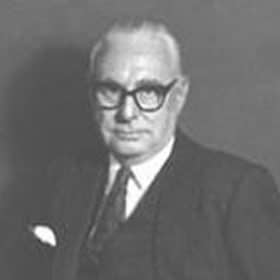
Dr. Albert T. W. Simeons (born 1900, London, death 1970 Rome) was a researcher at Germans prestigious Heidelberg University as well as a Physician at Salvator Mundi International Hospital, Rome.
He dedicated most of his life on studies about Human Chorionic Gonadotropin and it’s effects on obese patients, using hcg injections and a very low calorie diet (VLCD). After years of studying and experimenting to help overweight people, he released several publications and books about his findings. His hcg weight loss publication “Pounds & Inches” is a summary about the hcg diet. There are some awkward recommendations though about prohibited items, like make-up, oils and body lotion, that may have to be evaluated by modern day requirements.
Dr Simeon was surely the highest authority on hcg dieting. His critics, that contrary to him never spent years on clinical trials, should acknowledge that he did not receive much financial benefit from his work, but he genuinely dedicated his life to help overweight people and shaped a protocol around hcg injections that helped many of his patients.
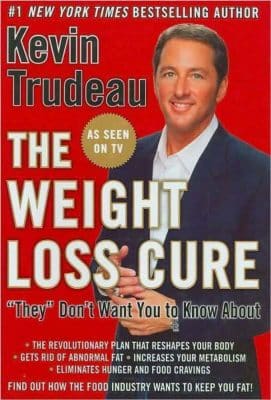
Kevin Trudeau: His book “The Weight Loss Cure “They” Don’t Want You to Know About” sold more than 5 million copies. His public exposure through books and infomercials + large income, made him soon a target for the FTC that accused him of misleading advertising and finally even put him in jail.
He was definitely falling out with the wrong organizations or is a brilliant health marketer that they wanted to silence about his ‘natural’ cures, that turned out some times to be ‘not so natural’. Maybe both is true.
But regardless of this, he single-handedly catapulted the hcg diet protocol to the top rank of the most used diet programs after his book release in April 2007.
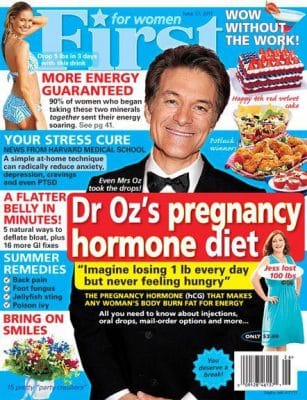
You may have been wondering.. Dr. Oz does indeed hold a medical degree. He conducted studies using hcg shots on ‘thousands of patients’ according to his website information and came up with his own modified protocol, using different doses of gonadotropin, revised meal plan, and exercises.
His conclusions and highly publicized findings on TV, center around how hcg injections can curb hunger even during a very restricted calorie diet, and the ability for the body to enter an ‘anabolic-state’ preserving muscle, but shedding fat, with a positive effect on the metabolism.
In 2012 he presented his studies to the American Society Bariatric Physicians (ASBP). No doubt that many weight loss clinics are using the hcg diet at this time across the U.S, but this comes with a high cost.
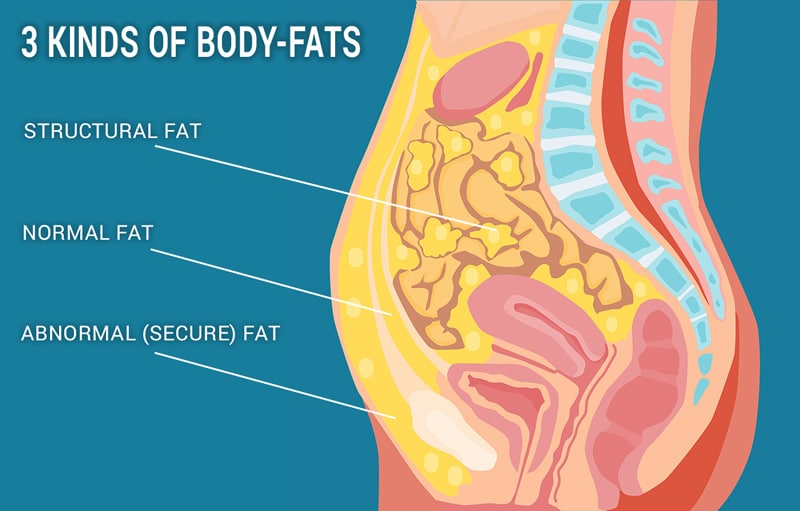
There are 3 different kinds of fats in the body and understanding which one is responsible for causing obesity, is they key to loosing weight. Abnormal (secure) fat that accumulates in the mid-section, buttocks, thighs, is the most stubborn and keeps adding. Dr. Simeons found out the body will start using this kind of fat in these cases:
- During times of severe malnutrition to maintain body-functions.
- Pregnant women will release it naturally to support healthy fetal development.
Oral or injections of hCG (human chorionic gonadotropin), he found out, acts on the hypothalamus, increasing metabolic functions. When combined with a low calorie diet of 500kcal/day (signaling food shortage), the body starts tapping into these stubborn fat reserves – breaking them up and using them as nutrients. Hunger pangs are usually bearable due to the extra calories the body now converts from fat it is dissolving.
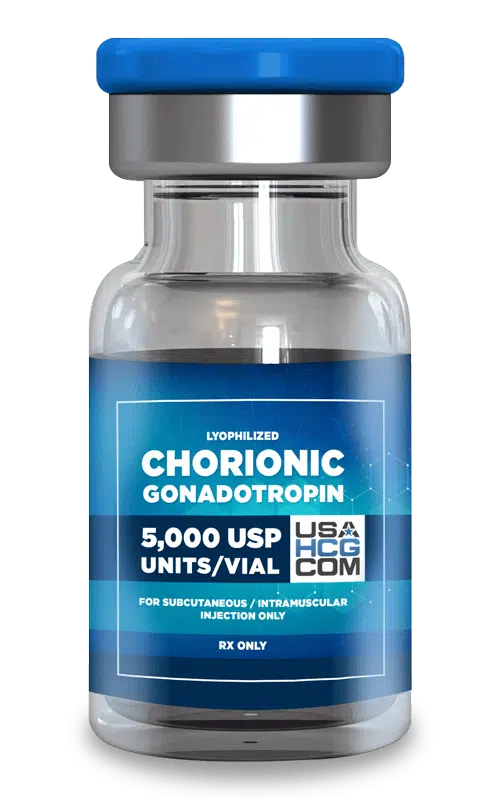
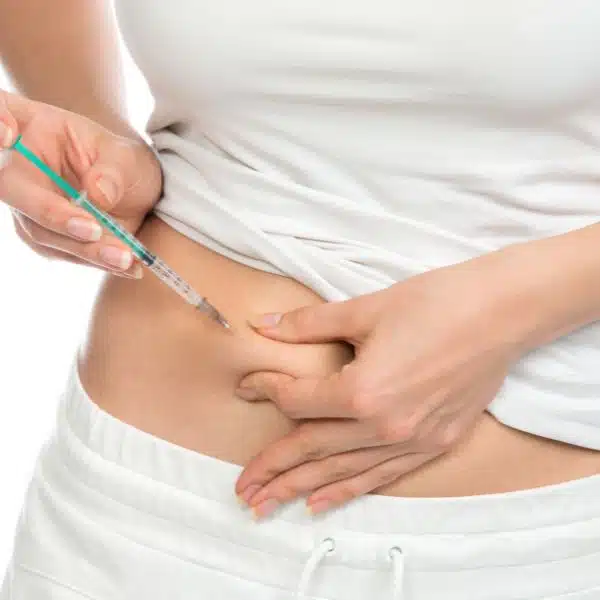
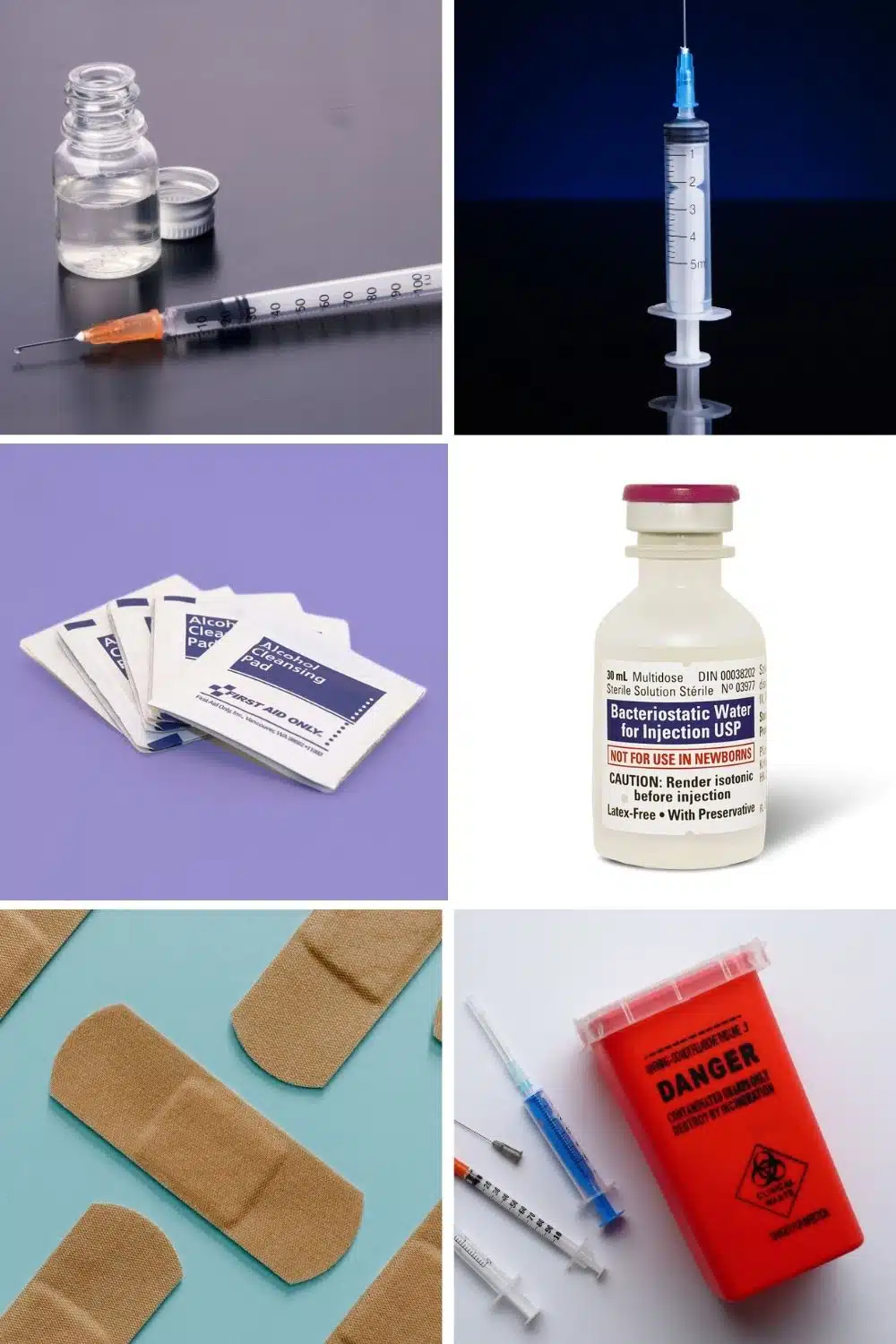
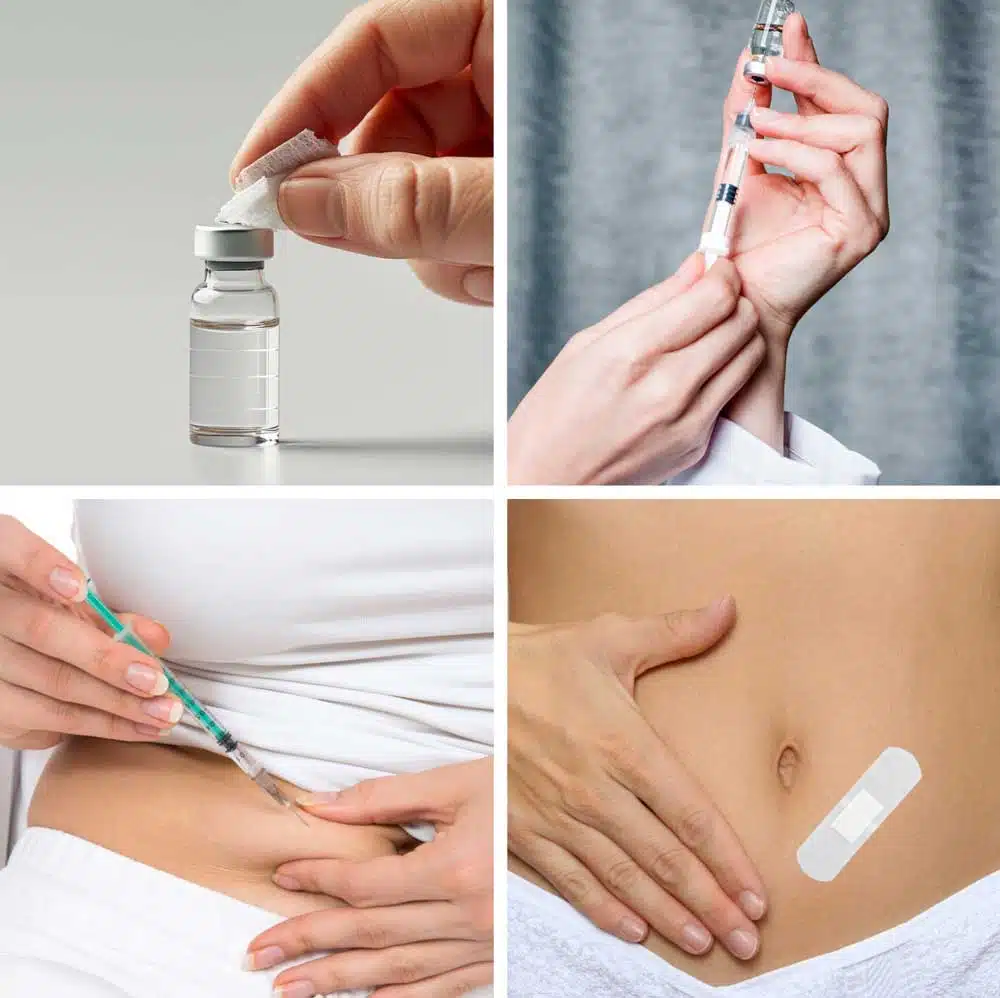
Transform your health at Home with our cost-effective HCG Product, designed for simplicity and time-saving convenience. Follow the instructions to ensure an easy mixing and administration process, allowing you to focus on your weight loss goals without any hassle. Save both time and money while concentrating on your results.
Phase 1 – Duration 2-3 days:
Also referred to as ‘loading’ phase – You should consume a high amount of healthy fats, made up from Avocados, Olive Oil, Whole Dairy, Cottage Cheese and such, but few carbohydrates. This protocol phase can help with the sudden transition to the strict low-cal diet by filling up the fat storage. It will not affect the weight loss in the following days.
Phase 2 – Duration 30-240 days:
Start with the 500kcal diet along with the hCG for the duration of the protocol. These days up to 800kcal may work just as good, feel free to adjust this per your ability. hCG will release more nutrients and using around 2000kcal from your fat storage. A healthy blood sugar range keeps you feeling alert and focused while preventing cravings.
Phase 3 – Duration 3 weeks:
This ‘transition’ phase starts right after phase 2 and will help you to adjust slowly to a higher calorie of finally 1500kcal/day while still maintaining your weight and improving metabolic functions. Certain foods are off limits while others are reintroduced but all in moderation, to set the healthier foundation in the long-term.
Phase 4 – Unlimited:
This phase refers to the food choices you must adhere to from now on and how you will need to keep track of your consumption in order to avoid getting back to square one. Usually control of foods and workout will create a sustainable lifestyle and if you feel the need to start another hCG diet course, you can do so any time.
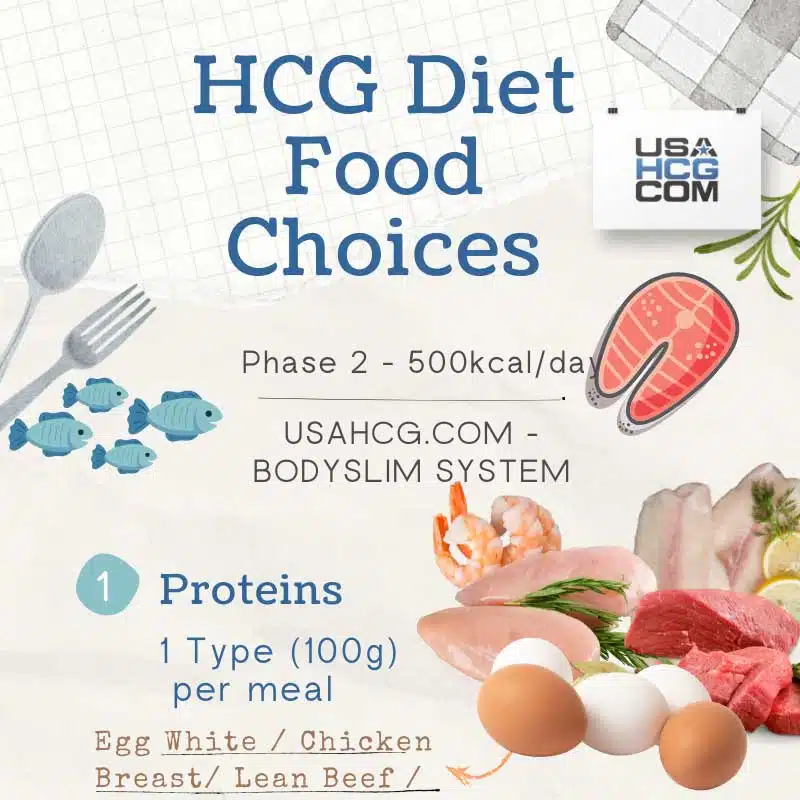
Phase 2 of the the hCG diet plan is where you will start to see some major weight loss progress. This phase focuses on eating healthy and adding in some moderate exercise. You will be following the 500 calorie per day rule, consuming lean protein, vegetables, fruits and some snacks, along with the daily hCG intake.
It is important to stay focused and dedicated during this phase in order to reach your goals. Sugary foods and starchy carbs are to be avoided during the diet, as they will spike your blood sugar levels and sabotage your fat loss goals.
HCG injections therapy serves as an effective alternative to traditional testosterone replacement therapy (TRT) for men with low testosterone, delivering a range of benefits that address both physical and emotional aspects of the condition.
Testosterone Booster:
The most important advantage of HCG in TRT is its capacity to increase testosterone levels in men who have low levels by stimulating the synthesis of testosterone in the testes by acting like Luteinizing Hormone (LH).
Fertility:
In contrast to standard TRT, which can lower sperm production in males, gonadotropin treatment helps sustain sperm production. Men who hope to start a family in the future should pay special attention to this factor.
Testicular Functions:
HCG is more effective than typical TRT for treating low testosterone since it not only raises testosterone levels but also protects testicular function and size.
Hormonal Balance:
Overall hormonal balance is maintained because it stimulates the body to produce other crucial hormones like estrogen and progesterone.
Less Side Effects:
Mood fluctuations, weight gain, and acne are less common with HCG therapy than they are with regular TRT, making it a more bearable treatment choice for certain men.
Increased Sex Drive:
Higher testosterone levels, achieved with this treatment, can lead to enhanced desire, erectile function, and sexual performance in men suffering from low testosterone.
Mood + Energy Levels:
HCG therapy has been demonstrated to raise testosterone levels, which enhance mood and vitality.
Bone Density Improvement:
HCG treatment may boost bone density and lower the risk of osteoporosis in individuals with low testosterone levels.
Preservation of Muscle Mass:
A certain level of lean muscle mass is necessary to maintain one’s health and mobility, which HCG may assist to achieve.
Versatile Treatment:
As it may be used alone or in combination with other therapies to produce a more customized and adaptive treatment approach, HCG is a flexible therapeutic option for men with low testosterone.
Despite the natural occurrence of chorionic gonadotropin in the body, using HCG injections for weight loss may lead to some side effects. Let’s take a look at some of the most common side effects that people may experience.
| Side Effects |
Description |
| Headache |
HCG injections may cause headaches due to dehydration, calorie restriction, or hormone changes. Drinking plenty of water may help alleviate the symptoms. |
| Dizziness |
Dizziness may occur as a result of low blood sugar levels or dehydration from calorie restriction. Eating small, frequent meals and drinking plenty of water can help reduce the risk of dizziness. |
| Fatigue |
Fatigue is a common side effect of the HCG diet, likely due to the low calorie intake. Getting adequate sleep, taking rest breaks, and engaging in low-intensity exercise may help alleviate fatigue. |
| Constipation |
Constipation may occur due to the low fiber intake. Eating more high-fiber foods in your food plan may help with this. |
| Irritability |
Irritability may occur due to the low calorie intake and hormone changes. Engaging in stress-reducing activities such as meditation or yoga, getting adequate sleep, and talking to a healthcare professional about potential treatment options may help. |
| Hair loss |
Hair loss is a very rare but possible side effect of hcg injections. It may occur due to the low calorie intake or hormone changes caused by the protocol. Talk to a healthcare professional about potential treatment options. |
| Menstrual changes |
Women may experience changes in their menstrual cycle, such as skipped periods or lighter bleeding. This may be due to the hormone changes. Talk to a healthcare professional or stop the diet for some time. |
| Gallstones |
The HCG diet may increase the risk of developing gallstones due to the rapid weight loss. Talk to a healthcare professional if you have a history of gallstones or experience symptoms such as abdominal pain or nausea. |
| Nutrient deficiencies |
The HCG diet may lead to nutrient deficiencies due to the limited food choices and low calorie intake. It is important to consult a healthcare professional and take supplements as needed to ensure adequate nutrient intake while on the program. |